ACTIVITIES
Our recommendations
on RESTAURANTS
and ACTIVITIES.
once you’re here, might as well explore the city a little.
RESTAURANTS, DELIS & BAKERIES
food.

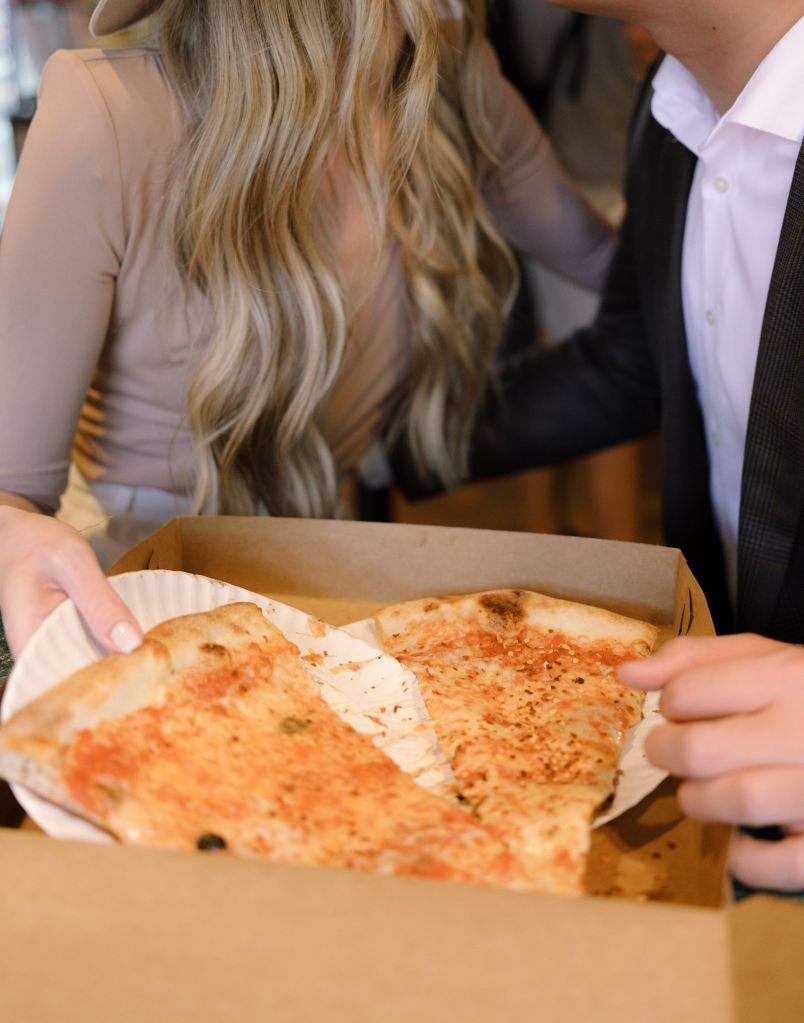
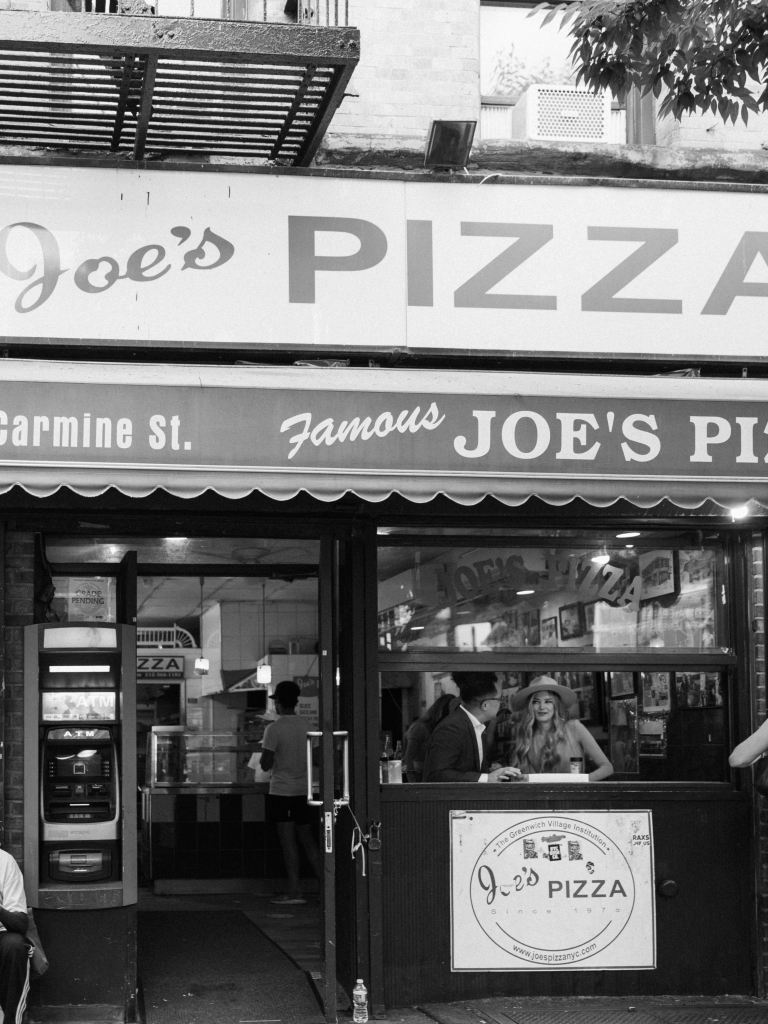
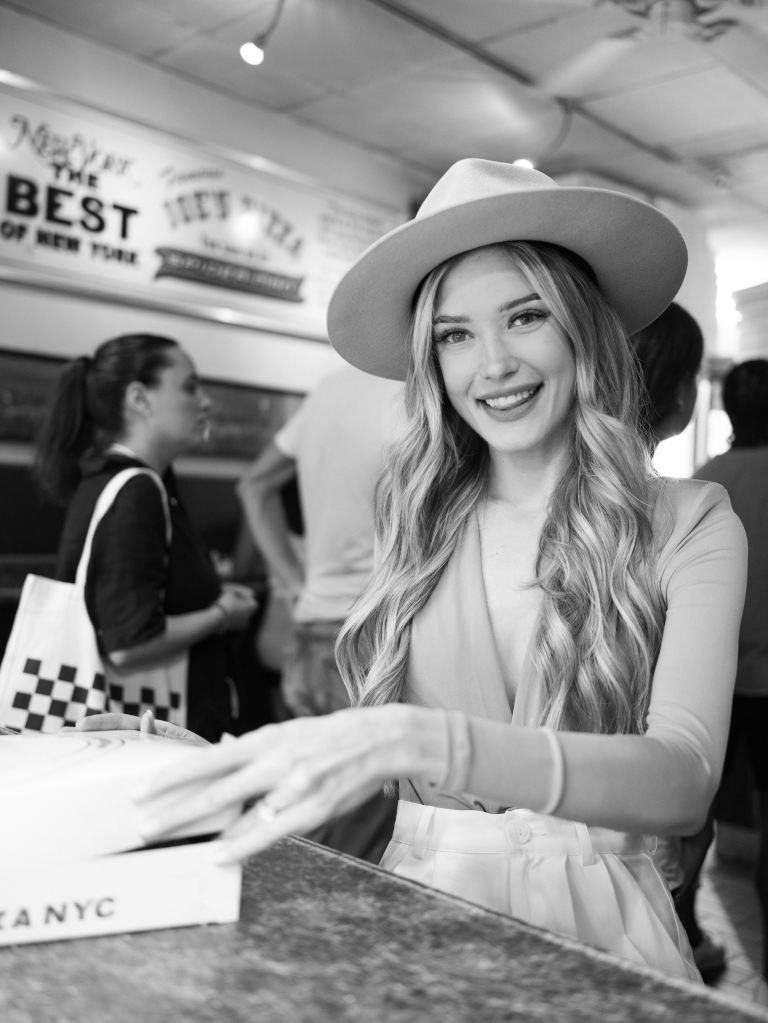
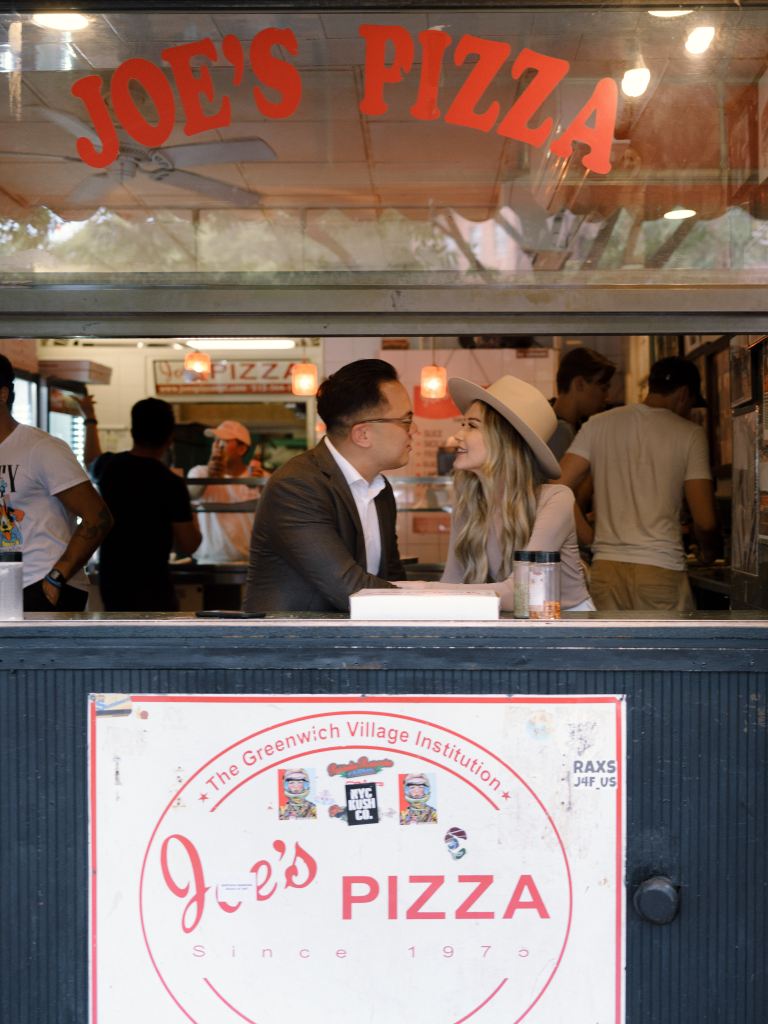
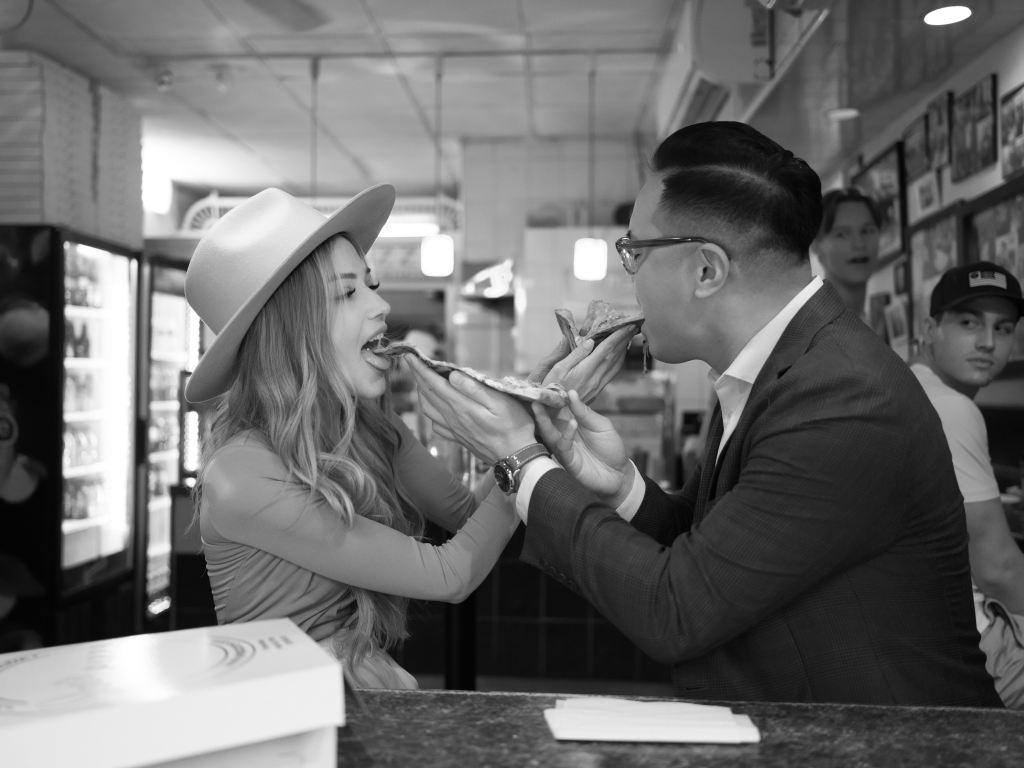
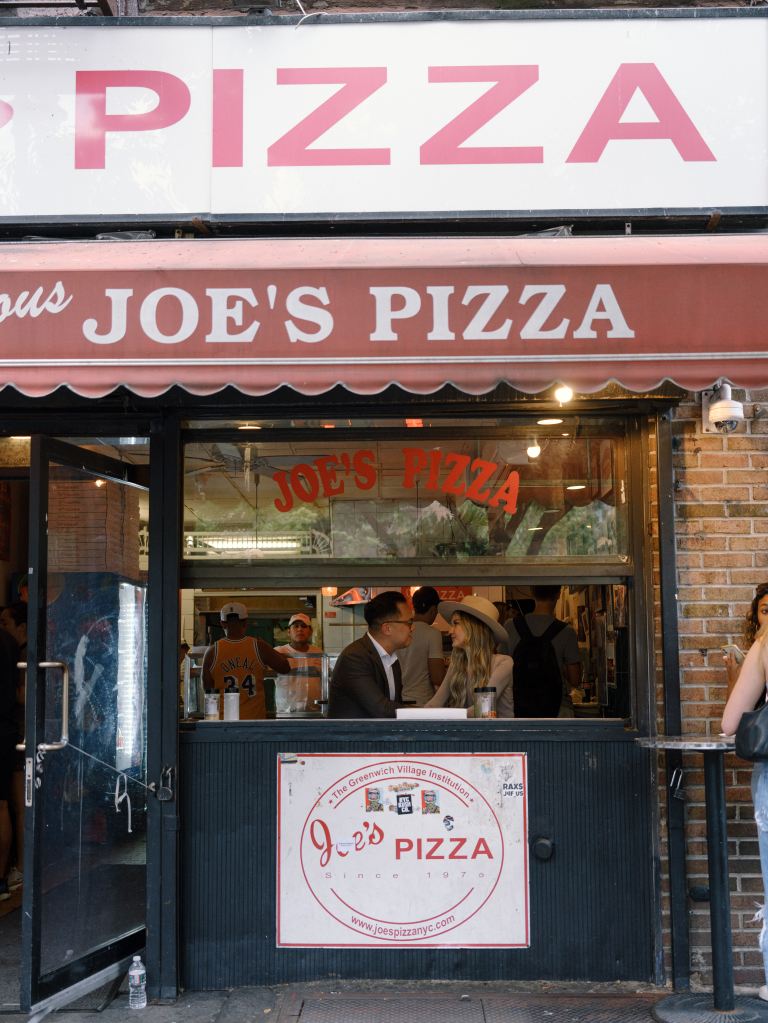
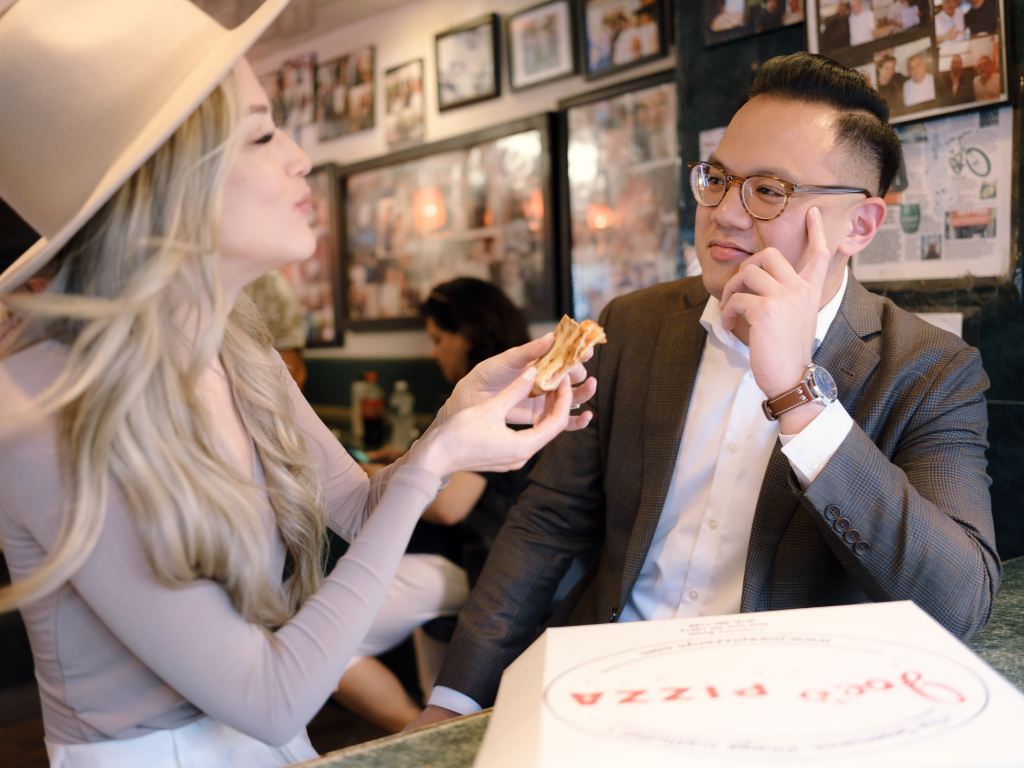
joe’s pizza
FIVE Locations ◍ Pizza
Our favorite late night bite

red rooster
HARLEM ◍ SOUL FOOD
The bride’s comfort food obsession

Russ & Daughters
Lower East Side ◍ Bagels
The groom’s favorite spot for bagels
GRAND CENTRAL OYSTER BAR
Grand Central Station ◍ Oysters
Venerated, iconic eatery serving raw oysters, pan roasts & chowders in a bustling, vaulted setting.
NOM WAH TEA PARLOR
Chinatown ◍ Dim Sum
Venerated, iconic eatery serving raw oysters, pan roasts & chowders in a bustling, vaulted setting.
KATZ’S DELICATESSEN
Lower East Side ◍ Deli
No-frills deli with theatrically cranky service serving mile-high sandwiches since 1888.
PETER LUGER
Brooklyn ◍ Steakhouse
Cash-only steak icon where old-school waiters serve aged beef in a German beer hall setting.
NATHAN’S FAMOUS
Coney Island ◍ Hotdogs
NYC summer staple Nathan’s serves the quintessential Coney Island hot dog, a short walk from the Coney Island boardwalk.
SYLVIA’S
HARLEM ◍ SOUL FOOD
A community favorite, known as the world’s kitchen. Serving authentic soul food for over 55 years, this icon remains a culinary must-visit for foodies.
MUSEUMS & PARKS
museums.

THE MUSEUM OF MODERN ART
Midtown Manhattan
Located on 53rd Street between Fifth and Sixth Avenues. It plays a major role in developing and collecting modern art, and is often identified as one of the largest and most influential museums of modern art in the world.

THE MET
Central Park
The Metropolitan Museum of Art of New York City, colloquially “the Met”, is the largest art museum in the Americas. Its permanent collection contains over two million works, divided among 17 curatorial departments.
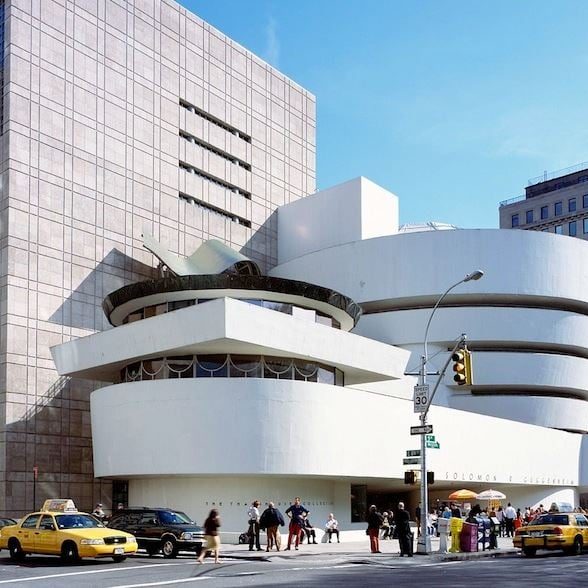
THE GUGGENHEIM
UPPER EAST SIDE
The Guggenheim exhibits modern and contemporary painting and sculpture in one of the most famous buildings in the world, designed by Frank Lloyd Wright
AMERICAN MUSEUM OF NATURAL HISTORY
UPPER WEST SIDE
One of the world’s preeminent scientific and cultural institutions
WHITNEY MUSEUM OF AMERICAN ART
MEATPACKING DISTRICT
The Whitney Museum of American Art presents the full range of twentieth-century and contemporary American art, with a special focus on works by living artists
parks.
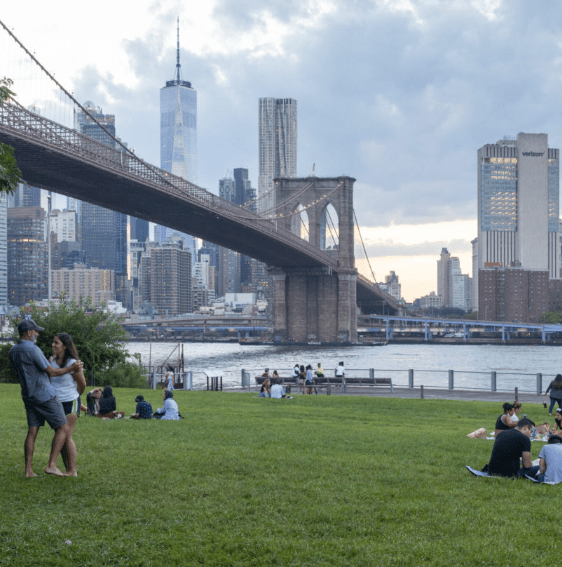
BROOKLYN BRIDGE PARK
Spanning over 1.3 miles of Brooklyn’s waterfront, from the Columbia Heights waterfront district to the Manhattan Bridge in DUMBO, this treasure of a park offers views of Lower Manhattan’s panoramic skyline and the New York Harbor.
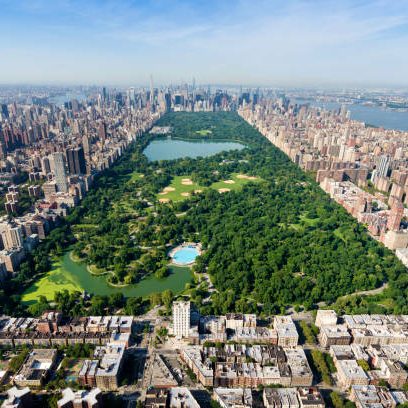
CENTRAL PARK
Designed by Frederick Law Olmsted and Calvert Vaux, Central Park influenced the development of urban parks nationwide and is widely regarded a masterpiece of landscape architecture. Central Park is a National Historic Landscape (1963) and a Scenic Landscape of the City of New York (1974).

THE HIGH LINE
The High Line is a public park built on a historic freight rail line elevated above the streets on Manhattan’s West Side. Saved from demolition by neighborhood residents and the City of New York, the High Line opened in 2009 as a hybrid public space where visitors experience nature, art, and design.
HUDSON RIVER PARK
A waterfront park on the North River that extends from 59th Street south to Battery Park in Manhattan. It’s the second-largest park in Manhattan after the 843-acre Central Park.
UNION SQUARE PARK
A former burial ground that transitioned from a town square to a City park. Home of statues depicting distinguished men like George Washington, Abraham Lincoln, Mohandas Gandhi, and Marquis de Lafayette.
WASHINGTON SQUARE PARK
A battleground for chess enthusiasts. Well-known for its arch, honoring George Washington.
SPORTS & ALL THE TOURISTY THINGS
sites.
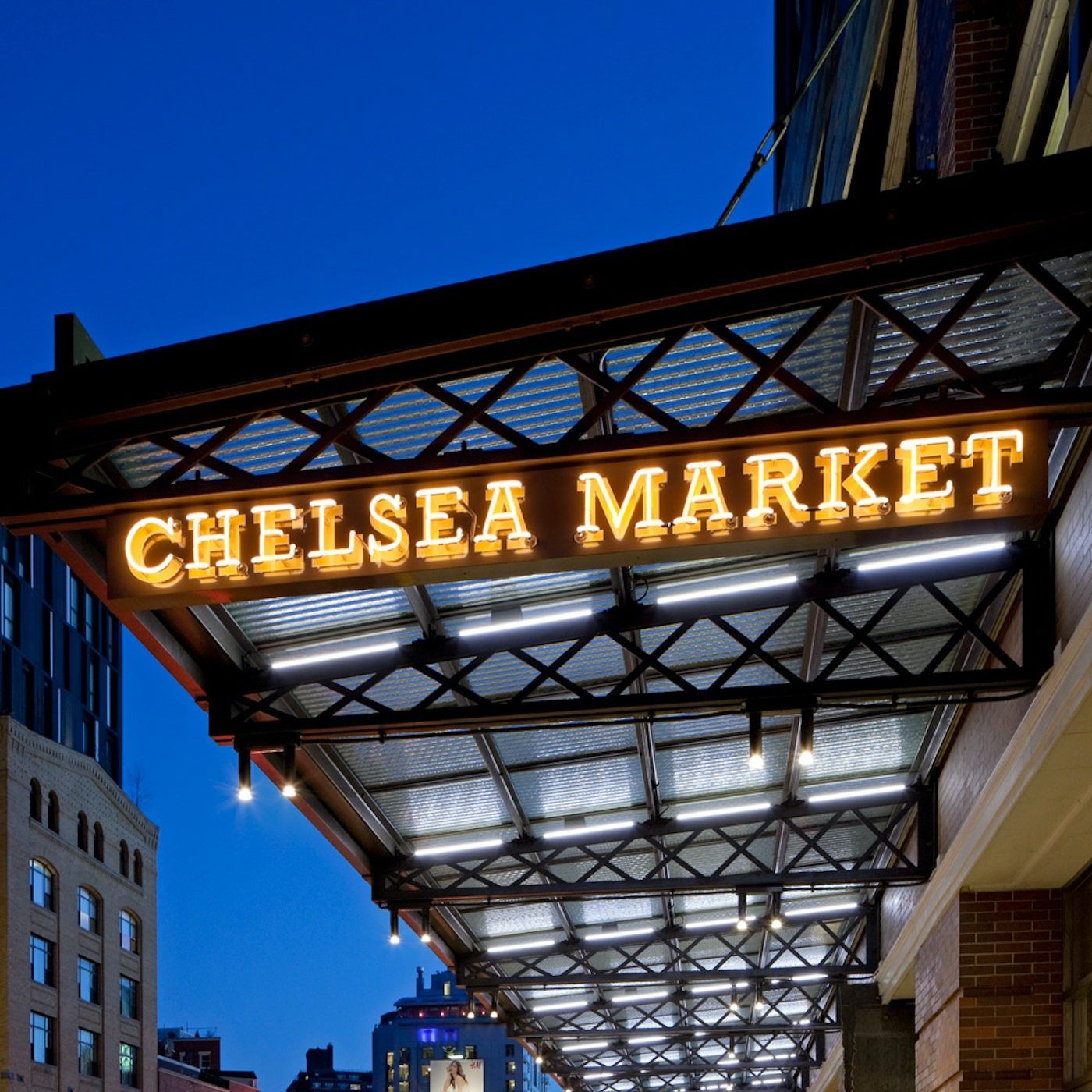
CHELSEA MARKET
MEATPACKING DISTRICT
Iconic culinary destination. Considered one of the greatest indoor food and retail markets in the world.
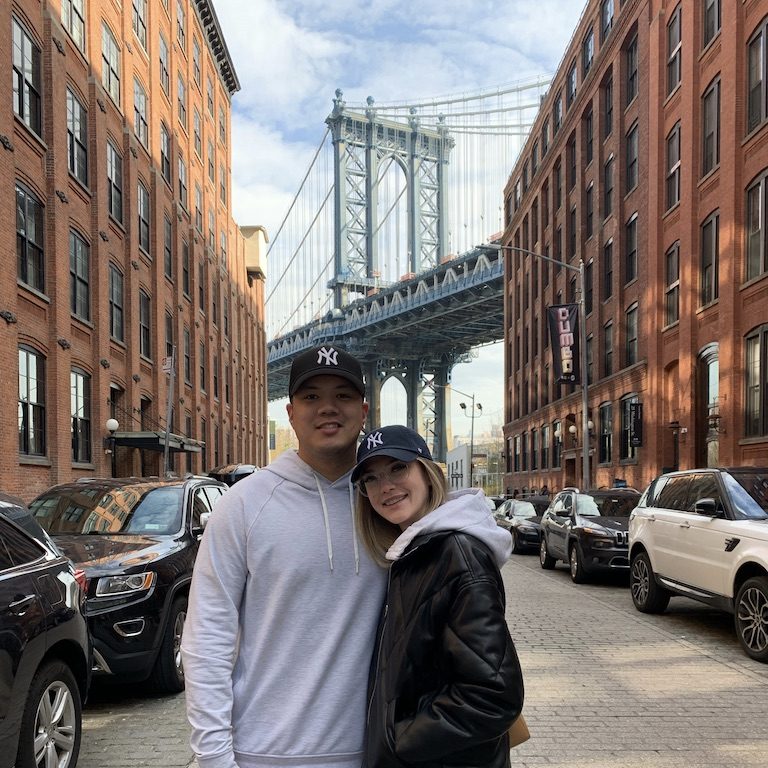
DUMBO
DOWN UNDER THE MANHATTAN BRIDGE
Dumbo features art galleries, independent bookshops, boutiques, confectionaries and co-working spaces where startups thrive.

YANKEE STADIUM
BRONX
A gigantic horseshoe shaped triple-decked ballpark that was the first to be called a stadium.






 Our Wedding